
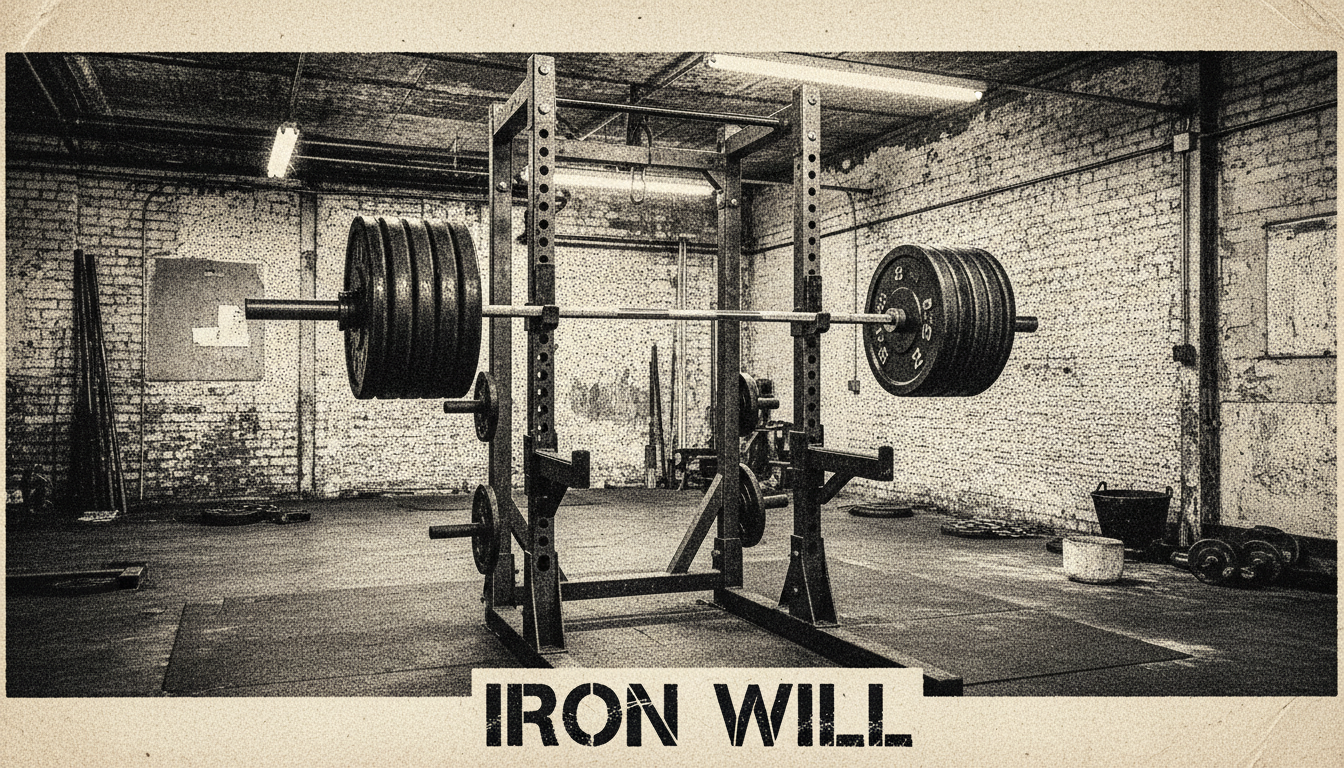
Train With
a Standard.
Not a Vibe.
This isn't general fitness. It's programmed, periodized strength coaching built on mechanics, progressive overload, and standards that hold under pressure. For people who already train — and want structure that matches their effort.
What Training
At Stoik Is
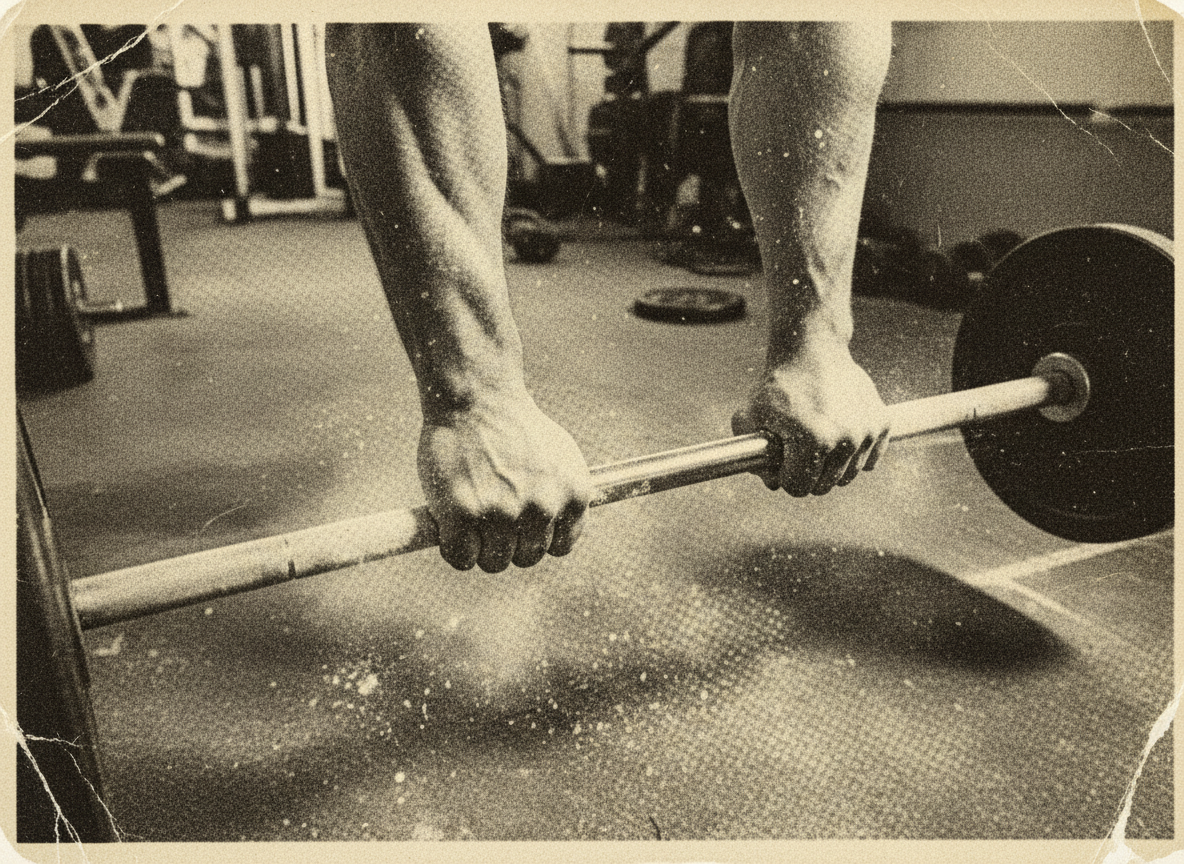
Stoik training is built on the same performance principles that drive our recovery work. We treat training and recovery as one system — not separate services with different philosophies.
Programming draws from mechanics-first coaching: movement quality assessed and corrected before load is applied, breath and stability integrated from day one, and progression earned through consistent execution — not random effort.
This is not weight loss programming. This is not beginner hand-holding. This is structured progression for people already committed to the work.
Endure With Purpose
Every rep has intent. We don't program volume for the sake of volume — every set builds toward a measurable outcome.
Honor the Reps
Mechanics before load. Always. The quality of movement determines the quality of adaptation. We earn progression.
Lead With Intention
No random workouts. Training is structured around breath, stability, and positional foundations that carry over under maximal loads.
Elevate the Standard
Progressive overload, periodized programming, autoregulation. The same principles behind our recovery work drive our training protocols.
Plan to Win
Training blocks are built backward from the goal. Assessment first, foundational mechanics, progressive loading, then peak or retest.
You Already
Do the Work.
Stoik training is for people who are already in the gym. You don't need convincing to show up. You need coaching that matches the standard you hold yourself to.
What a Training
Block Looks Like
Every program follows a phased structure — assessment first, then foundational mechanics work, then progressive loading, then peak or retest. Training blocks are periodized, not random. 3 to 12 weeks depending on goal.
Assessment & Foundation
- Movement screening and positional assessment
- Breath and bracing mechanics
- Stability baselines established
- Dynamic and static mobility framework
Mechanics & Building
- Competition movement patterns refined
- Variation work targeting weak positions
- Back-down sets for volume and pattern reinforcement
- Stability integration under increasing load
Progressive Loading
- Autoregulated intensity based on daily readiness
- Specificity increases — more competition-style reps
- Accessory work narrows to address individual gaps
- Recovery protocol adjustments as load climbs
Peak or Retest
- Planned peak to target numbers or meet day
- Volume tapers, intensity holds
- Test day protocol or competition strategy
- Debrief and next block planning
Mobility and stability aren't tacked on as an afterthought. They're built into every phase. The same logic applies across squat, bench, deadlift, and general strength work — competition movement plus variation, back-down volume, stability integration, and autoregulation.
Meet Prep
Training
Meet prep at Stoik means programming that peaks at the right time, red light prevention built into your training standards from day one, and recovery integration throughout the entire prep block.
Common red lights — depth on squat, bar control on bench, lockout on deadlift — are training problems first. We address them in programming, not just on platform day. Federation-agnostic. USAPL, USPA, WRPF — the standards apply across the board.
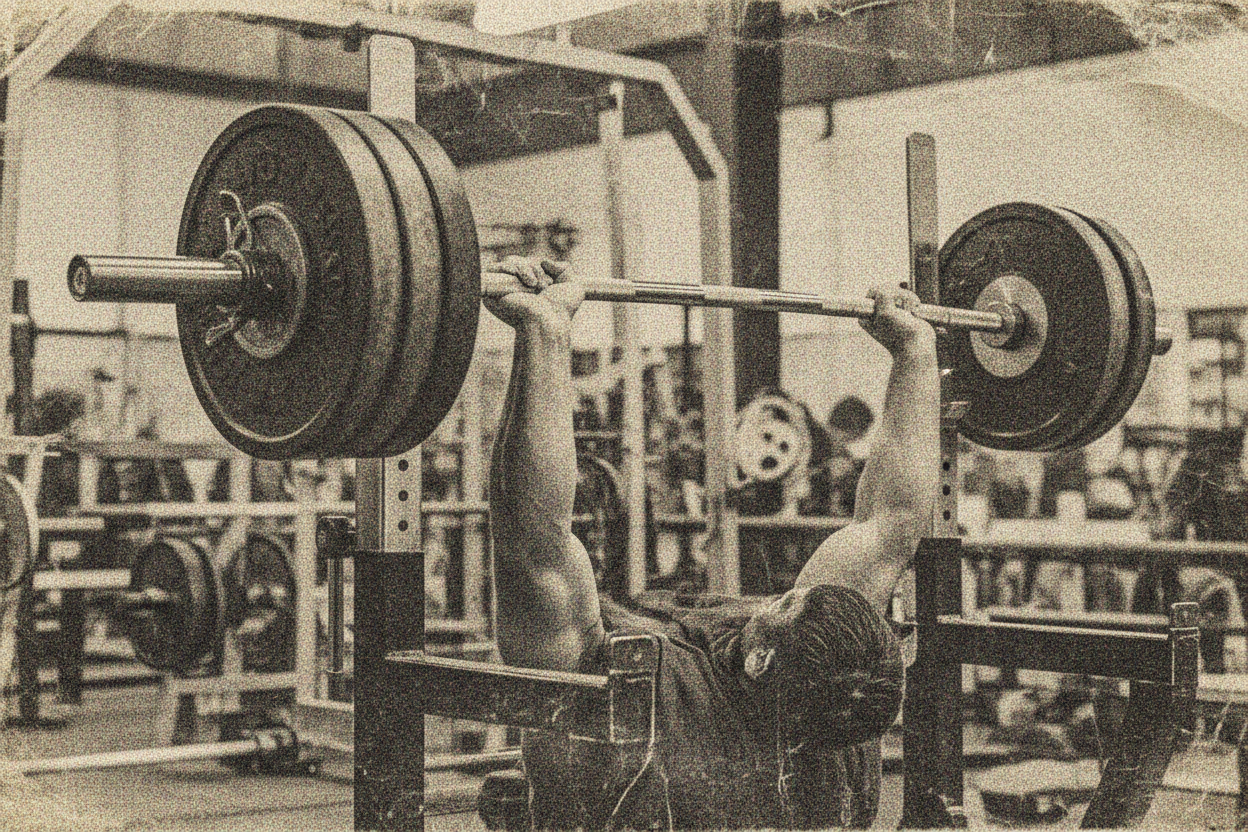
Squat
Bench
Deadlift
Training + Recovery.
One System.
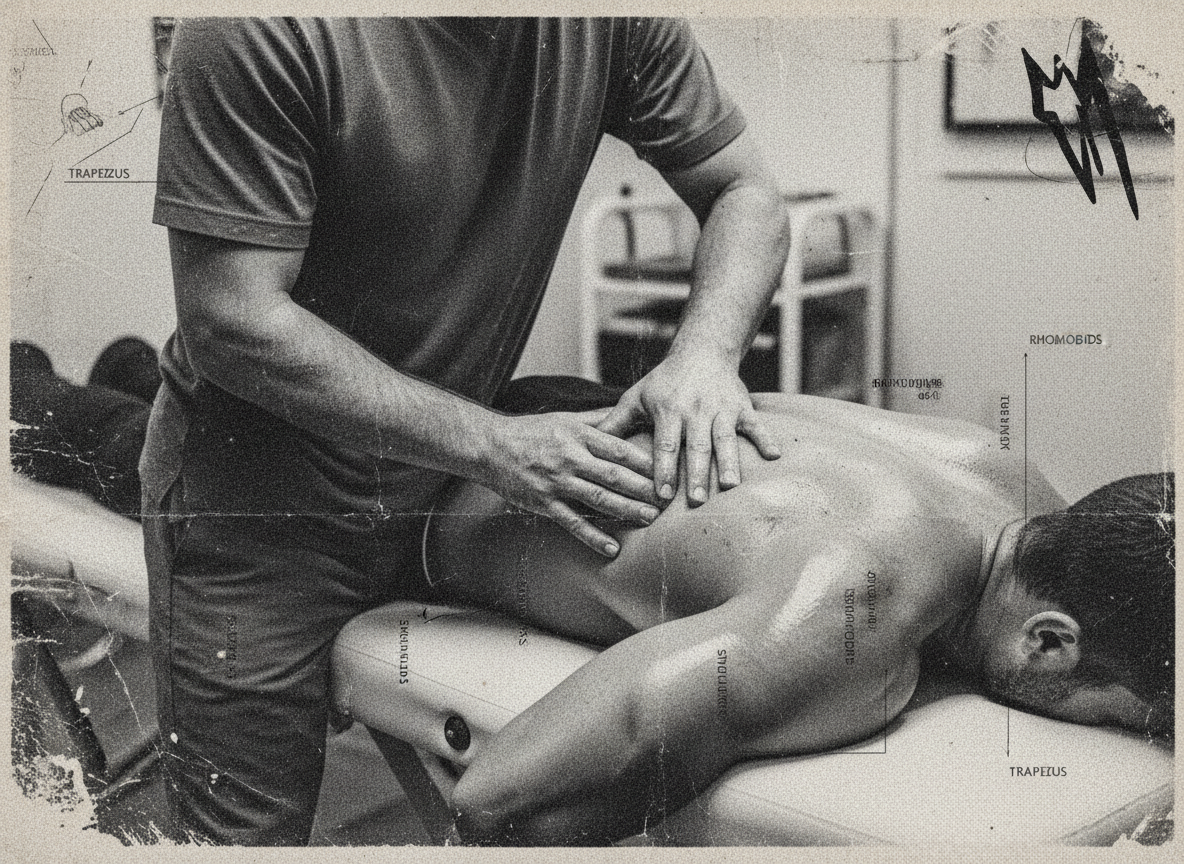
At Stoik, the training side and the bodywork side talk to each other. That's not a tagline — it's how we're built. Clients who train with Stoik have access to recovery work that understands exactly what their programming is doing to their body.
A coach who knows your bench program is the same person who can flag thoracic restriction in your recovery session. A stall on your squat progression gets addressed on both sides — in the program and on the table.
Most studios separate training from recovery into different departments, different philosophies, different buildings. We don't. Same standards. Same system. Same people.
Training Formats
Single Session Coaching
Short-Term Block
Full Prep Cycle
Training packages are offered as structured blocks. Reach out to discuss your goals and get matched to the right format.
Your Effort
Deserves Structure.
If you're already putting in the work, you deserve a program that keeps up with it. Stop winging it. Train with a standard.